
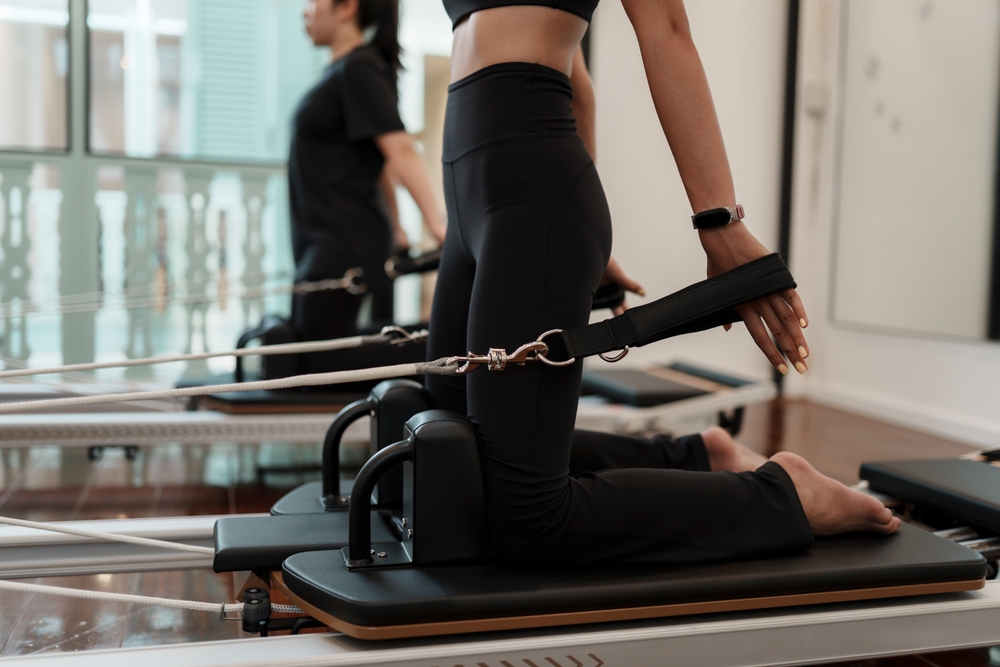
When most people think of Pilates, they picture boutique studios, mats, and reformer machines — not physical therapy clinics. But in recent years, Pilates has become a valuable tool in injury rehabilitation, especially when guided by a licensed physical therapist.
So, is Pilates good for rehab? From a physical therapy perspective, the answer is a strong yes, particularly when it comes to core strength, postural control, and functional movement.
What Is Pilates?
Pilates is a form of low-impact exercise focused on:
- Core activation and control
- Postural alignment
- Flexibility and joint mobility
- Mind-body awareness
- Balanced muscle engagement
Developed in the early 20th century by Joseph Pilates, the method was originally designed to help rehabilitate soldiers and dancers, making it a natural complement to therapeutic movement today.
How Pilates Supports Physical Therapy Goals
When integrated into a PT plan, Pilates helps patients:
Rebuild Core Stability
A weak or underactive core often contributes to back pain, postural issues, and movement imbalances. Pilates emphasizes deep abdominal activation (especially the transverse abdominis), which is critical for spinal support and injury prevention.
Improve Posture and Alignment
Pilates movements train the body to maintain neutral alignment during everyday tasks. This reduces strain on joints and promotes better movement mechanics, especially after injury or surgery.
Increase Flexibility Without Overstretching
Tight muscles often compensate for weak ones. Pilates incorporates gentle, controlled stretching that helps restore mobility without forcing range of motion—a key concern during rehab.
Promote Symmetry and Balance
Many injuries stem from asymmetry: favoring one side, overloading certain muscles, or compensating for pain. Pilates highlights imbalances and trains the body to move more evenly and efficiently.
Reinforce Neuromuscular Control
The focus on slow, intentional movement enhances mind-body connection, improving motor control, proprioception, and coordination. All these are essential for long-term recovery.
Who Can Benefit from Pilates-Based Rehab?
Pilates is especially helpful for patients recovering from or coping with:
- Low back pain
- Pelvic pain
- Neck and shoulder dysfunction
- Hip instability or glute weakness
- Bladder or bowel dysfunction
- Postural disorders
- ACL or other lower extremity injuries
- Pre- and post-natal conditions
- Chronic pain and mobility limitations
It’s important to note that rehab-focused Pilates isn’t a one-size-fits-all group class. When used in a clinical setting, it’s tailored to your injury, goals, and stage of recovery, often with modifications or equipment-based support.
Why It Works: A Therapist’s Take
At its core, Pilates complements physical therapy by helping patients relearn how to move well without compensation, pain, or fear. When integrated into a rehab plan, it acts as a bridge between early recovery and long-term wellness, reinforcing proper mechanics through repetition and control.
Many PT clinics now offer Pilates-based rehab sessions led by licensed therapists or trained rehab professionals, ensuring both safety and therapeutic value.
Ready to Add Pilates to Your Recovery Plan?
If you’re rehabbing from injury or managing chronic pain, ask your physical therapist whether Pilates-based exercises would be good for you. When guided by a trained professional, Pilates can help you rebuild strength, restore movement, and reclaim confidence—one breath and one rep at a time.
Want to learn more or schedule a consultation? Contact Lokahi Physical Therapy and Wellness in Huntington Beach today!
Sources: